


The NCAA is one step closer to moving Division I men’s soccer to a two-semester schedule after the Division I Men’s Soccer Oversight Committee adopted legislation that would dramatically reshape the sport’s calendar beginning Aug. 1, 2027.
The proposal, announced through a governance update, is still subject to review by the Division I Cabinet during its June 23-24 meeting.
Under the legislation, the Division I men’s soccer season would be split across the fall and spring semesters while maintaining the current 25-match maximum. Teams would be allowed to play up to 18 contests in the fall, beginning in late August and running through the Saturday before Thanksgiving.
The spring segment would begin in mid-February, with teams permitted to play up to 10 contests before the NCAA tournament. The Division I Men’s Soccer Championship would also move from December to the spring, though specific postseason dates have not yet been announced.
The proposal was first introduced in January by the Men’s Soccer Oversight Committee through the NCAA’s new Division I governance structure.
According to the NCAA, the recommendation is centered on improving the student-athlete experience. The organization cited reduced time demands in a single academic term, fewer midweek matches and missed classes, more consistent weekly scheduling, increased recovery time between games and stronger integration into campus life as primary benefits.
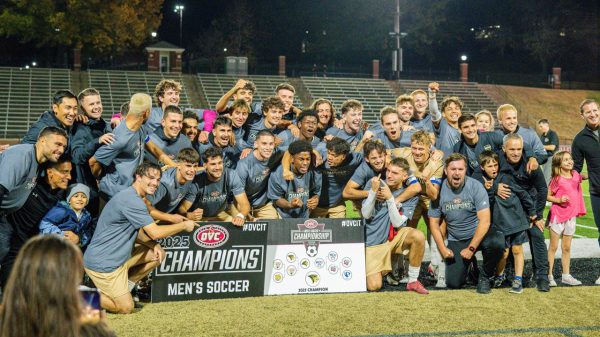
Currently, Division I men’s soccer is compressed into a 10 to 13-week fall season that concludes with the Men’s College Cup in December.
The committee also approved changes to the sport’s transfer notification process. Beginning with the 2027-28 academic year, Division I men’s soccer players would have one 15-day transfer window in the spring, opening the day after the NCAA championship concludes.
Under the current structure, players have a 45-day transfer window split across two periods.
The proposed scheduling shift could also create major operational changes for athletic departments, particularly at smaller Division I schools where sports information directors and athletic communications staffs often cover multiple sports simultaneously.
The move may also reignite discussions surrounding NCAA women’s soccer potentially adopting a similar two-semester model in the future. Advocates of a split season have long argued that extending the calendar would improve player recovery, reduce injuries and create a more professional-style schedule for both men’s and women’s soccer.
A link to the full release can be read here.